The Best Fluffy Pancakes recipe you will fall in love with. Full of tips and tricks to help you make the best pancakes.



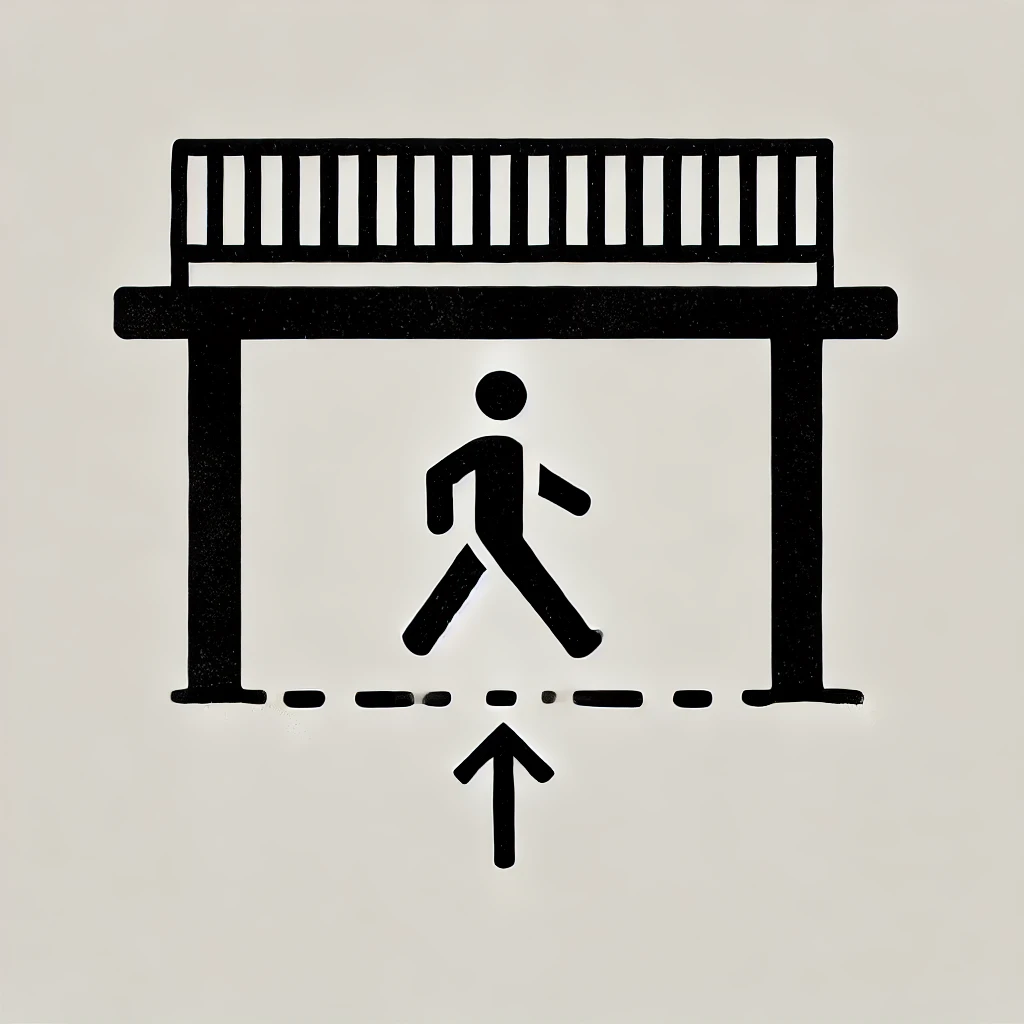
Pedestrian bridges are essential for ensuring the safety of people crossing busy roads, particularly in densely populated cities like Karachi. Despite the dangers of jaywalking, many pedestrians still avoid using these bridges. This behavior poses significant safety risks not only to pedestrians but also to drivers, resulting in accidents, injuries, and traffic disruptions.
Reasons for Unsafe Road Crossing
Convenience
Many pedestrians prioritize quick access over safety. Walking to a pedestrian bridge and climbing stairs can be perceived as inconvenient, especially when they can cross the road directly. This behavior is common near intersections and roundabouts where traffic slows down.
Lack of Awareness
Some individuals lack awareness about the risks associated with unsafe road crossings. Without proper education or public campaigns, many pedestrians underestimate the potential dangers of crossing without using a bridge.
Cultural Norms
In certain areas, crossing streets without pedestrian bridges is a normalized behavior. When this becomes part of everyday practice, individuals may be less likely to use the bridge, as it is not seen as necessary.
Poor Accessibility
Many pedestrian bridges are not designed with easy accessibility in mind. The lack of ramps, elevators, or proper handrails makes them less practical for people with disabilities, the elderly, and those carrying heavy loads, leading to fewer people using them.
Time Constraints
People in a hurry often avoid using pedestrian bridges to save time. This is particularly evident during rush hours when pedestrians try to cross quickly during gaps in traffic.
Visibility Issues
During heavy traffic, pedestrians may misjudge the speed and distance of approaching vehicles and choose to cross directly. This behavior is often driven by a false sense of safety, assuming they can cross before the vehicles reach them.
Risks for Pedestrians
Injury or Fatality
Jaywalking significantly increases the risk of being hit by a vehicle. Even a minor misjudgment can lead to severe injuries or fatalities.
Invisibility to Drivers
Pedestrians are not always visible to drivers, especially in low-light conditions or when they are obscured by other vehicles. This increases the risk of accidents, particularly on multi-lane roads.
Distracted Drivers
Drivers may not always be prepared to stop suddenly for pedestrians crossing unsafely. If drivers are distracted, the reaction time is further delayed, making the situation even more dangerous.
Psychological Impact
Accidents caused by jaywalking can result in long-term psychological trauma not only for the pedestrians involved but also for witnesses who experience the incident firsthand.
Risks for Drivers
Accidents
Drivers face a higher risk of accidents when pedestrians suddenly enter the road. Quick evasive actions may not always prevent a collision, leading to serious accidents and potential harm to both the driver and the pedestrian.
Legal Consequences
In the event of a pedestrian accident, drivers may face legal issues, including liability claims and insurance complications, adding stress and financial burdens.
Emotional Distress
Being involved in an accident with a pedestrian can lead to emotional trauma for the driver. Guilt, anxiety, and stress are common psychological impacts experienced by drivers after such incidents.
Traffic Disruptions
Pedestrian-related accidents cause significant traffic delays. Collisions often block lanes, impacting emergency response times and adding to the city’s traffic congestion.
The reluctance to use pedestrian bridges poses risks not only to individuals but also to the broader community. Efforts should be made to improve awareness, design more accessible bridges, and implement stricter regulations to ensure the safety of both pedestrians and drivers. Using pedestrian bridges is not just a matter of convenience but a critical factor in maintaining road safety.